
Soaring to New Heights: The Transformative Benefits of Cloud-Based Accounting Software
In today’s fast-paced, digitally driven business landscape, traditional accounting methods are rapidly becoming relics of the past. The rise of cloud computing has ushered in a new era of efficiency, accessibility, and collaboration, particularly within the realm of accounting. Cloud-based accounting software is no longer a futuristic concept; it’s a vital tool for businesses of all sizes seeking to streamline their financial operations and gain a competitive edge.
This blog delves into the myriad benefits of embracing cloud-based accounting software, exploring how it empowers businesses to transcend the limitations of traditional systems and unlock unprecedented potential.
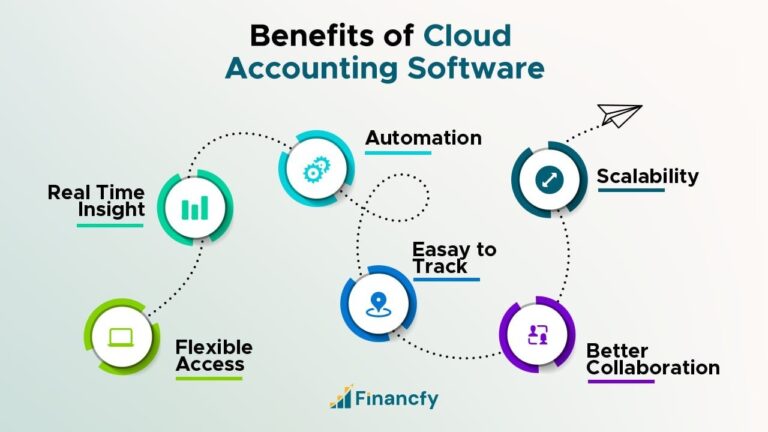
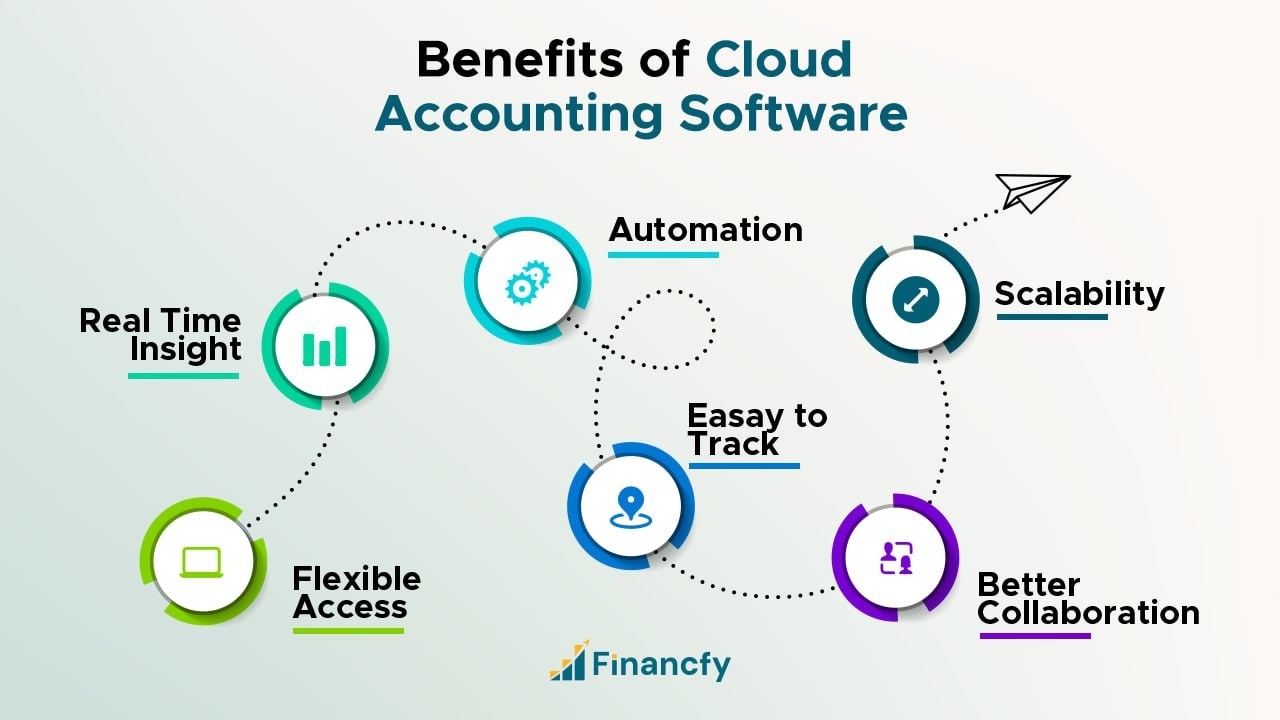
1. Unparalleled Accessibility and Flexibility:
Perhaps the most significant advantage of cloud-based accounting is its accessibility. Unlike traditional software confined to a single computer, cloud solutions reside on remote servers, accessible via any internet-connected device. This means you can manage your finances from anywhere, anytime, be it your office, home, or while traveling.
- Remote Work Empowerment: In an increasingly remote-friendly world, cloud accounting empowers teams to collaborate seamlessly, regardless of location.
- Real-Time Data Access: Access up-to-the-minute financial data, allowing for informed decision-making on the fly.
- Device Agnostic: Whether you use a laptop, tablet, or smartphone, you can access your accounting software with ease.
2. Enhanced Collaboration and Teamwork:
Cloud accounting fosters a collaborative environment, allowing multiple users to access and work on the same data simultaneously. This eliminates the need for cumbersome file sharing and version control issues.
- Streamlined Collaboration: Accountants, bookkeepers, and business owners can work together in real-time, improving communication and efficiency.
- Simplified Auditing: Auditors and external accountants can access necessary data directly, simplifying the auditing process.
- Improved Communication: Shared access facilitates clear communication and reduces the risk of errors caused by miscommunication.
3. Automated Processes and Increased Efficiency:
Cloud accounting software automates numerous time-consuming tasks, freeing up valuable time for strategic initiatives.
- Automated Data Entry: Import bank transactions and other data automatically, reducing manual data entry and minimizing errors.
- Automated Invoicing and Payments: Create and send invoices electronically, automate payment reminders, and accept online payments.
- Automated Reporting: Generate financial reports with a few clicks, providing real-time insights into your business’s financial performance.
- Automated Bank Reconciliation: Connect your bank accounts and automatically reconcile transactions, saving hours of manual work.
4. Real-Time Financial Insights and Reporting:
Cloud accounting provides real-time access to financial data, enabling businesses to monitor their performance closely and make informed decisions.
- Up-to-Date Financial Reports: Access real-time financial reports, including profit and loss statements, balance sheets, and cash flow statements.
- Customizable Dashboards: Create personalized dashboards to track key performance indicators (KPIs) and monitor financial health.
- Data-Driven Decision Making: Make informed decisions based on accurate and up-to-date financial data.
- Improved Forecasting: Utilize real-time data to improve financial forecasting and planning.
5. Enhanced Security and Data Protection:
Cloud accounting providers invest heavily in security measures to protect sensitive financial data.
- Data Encryption: Data is encrypted both in transit and at rest, ensuring confidentiality and security.
- Regular Backups: Automated backups ensure data is protected from loss due to hardware failures or other disasters.
- Multi-Factor Authentication: Implement multi-factor authentication to enhance account security and prevent unauthorized access.
- Compliance with Security Standards: Reputable cloud accounting providers adhere to industry-standard security certifications and regulations.
6. Cost-Effectiveness and Scalability:
Cloud accounting can be more cost-effective than traditional software, particularly for small businesses.
- Subscription-Based Model: Pay a monthly or annual subscription fee, eliminating the need for upfront software purchases and maintenance costs.
- Scalability: Easily scale your subscription as your business grows, adding or removing users and features as needed.
- Reduced IT Costs: Eliminate the need for on-site servers and IT infrastructure, reducing IT costs.
- Automatic Updates: Software updates are automatically applied, ensuring you always have the latest features and security patches.
7. Seamless Integration with Other Business Tools:
Cloud accounting software often integrates seamlessly with other business tools, such as CRM, e-commerce platforms, and payment gateways.
- Streamlined Workflows: Integrate with other business tools to automate data transfer and streamline workflows.
- Improved Data Accuracy: Eliminate the need for manual data entry between different systems, reducing the risk of errors.
- Enhanced Efficiency: Automate tasks across multiple systems, improving overall efficiency.
- Centralized Data: Consolidate data from various sources into a single platform, providing a holistic view of your business.
8. Improved Compliance and Accuracy:
Cloud accounting software helps businesses stay compliant with tax regulations and other financial requirements.
- Automated Tax Calculations: Automate tax calculations and generate tax reports, reducing the risk of errors and penalties.
- Audit Trail: Maintain a detailed audit trail of all transactions, simplifying audits and ensuring compliance.
- Real-Time Compliance Updates: Cloud software is updated to reflect changes in tax regulations, ensuring ongoing compliance.
- Reduced Human Error: Automating processes reduces the risk of human error, improving the accuracy of financial data.
9. Sustainable and Environmentally Friendly:
Cloud accounting reduces the need for paper-based processes, contributing to a more sustainable and environmentally friendly business.
- Paperless Accounting: Eliminate the need for paper-based invoices, receipts, and reports, reducing paper consumption.
- Reduced Energy Consumption: Cloud computing utilizes shared resources, reducing energy consumption compared to on-site servers.
- Reduced Carbon Footprint: By reducing paper consumption and energy usage, cloud accounting contributes to a smaller carbon footprint.
10. Enhanced Customer Service and Support:
Cloud accounting providers typically offer robust customer service and support, ensuring users have access to assistance when needed.
- 24/7 Support: Many cloud accounting providers offer 24/7 customer support via phone, email, or chat.
- Online Resources: Access online resources, including tutorials, FAQs, and knowledge bases, to learn how to use the software.
- Community Forums: Participate in online forums to connect with other users and share knowledge.
- Dedicated Account Managers: Some providers offer dedicated account managers to provide personalized support.
Conclusion:
The benefits of cloud-based accounting software are undeniable. From enhanced accessibility and collaboration to increased efficiency and security, cloud accounting empowers businesses to streamline their financial operations and achieve sustainable growth. By embracing this transformative technology, businesses can gain a competitive edge, make informed decisions, and navigate the complexities of modern finance with confidence. As the digital landscape continues to evolve, cloud accounting is poised to become an indispensable tool for businesses of all sizes, paving the way for a more efficient, secure, and data-driven future.