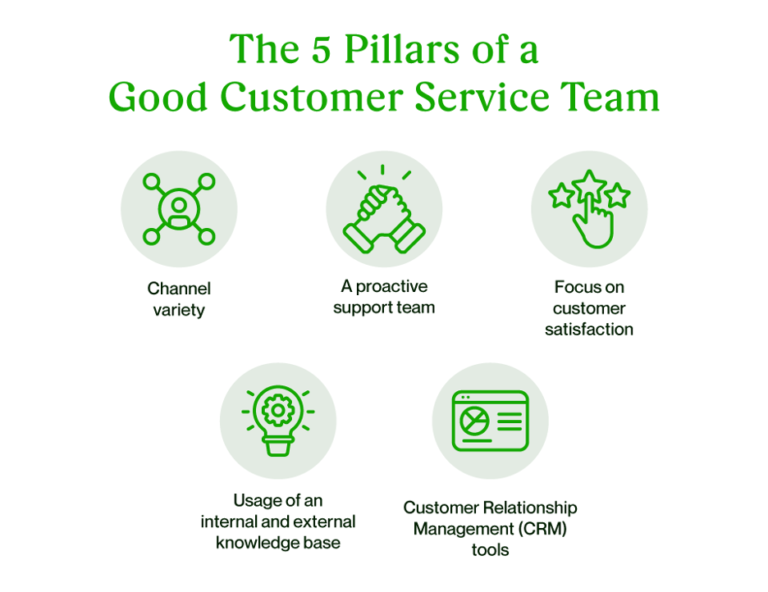

Five Pillars of Exceptional Customer Service: Elevating Your Business
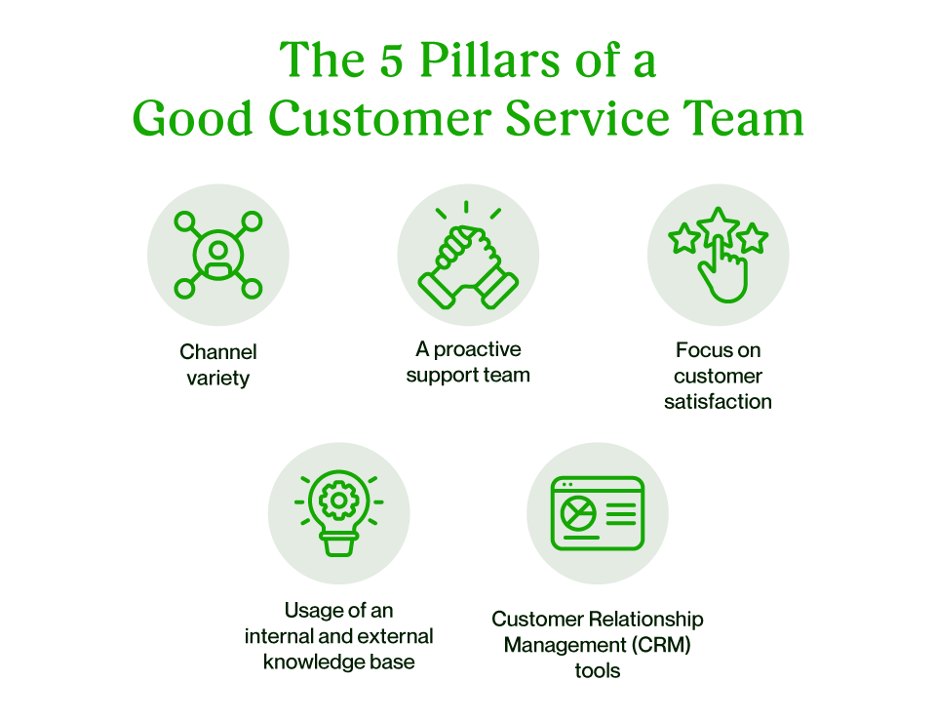
In today’s hyper-connected world, customer service isn’t just a department; it’s a defining characteristic of your brand. A single negative interaction can ripple across social media, damaging your reputation and impacting your bottom line. Conversely, consistently exceptional customer service fosters loyalty, turns customers into advocates, and drives sustainable growth. In this blog, we’ll delve into five crucial ways to improve your business’s customer service, transforming it from a mere function to a strategic advantage.
1. Embrace Omnichannel Communication: Meet Your Customers Where They Are
Gone are the days when a single phone number or email address sufficed for customer support. Today’s customers expect seamless interactions across multiple channels, including:
- Phone: While digital channels are on the rise, phone support remains essential for complex issues and those who prefer direct human interaction. Ensure your phone lines are adequately staffed, and your agents are trained to handle inquiries efficiently and empathetically.
- Email: Email is a reliable channel for non-urgent inquiries and detailed responses. Implement a robust ticketing system to track emails, ensure timely responses, and maintain a history of customer interactions.
- Live Chat: Real-time assistance through live chat provides immediate solutions and enhances customer satisfaction. Integrate live chat into your website and app, and train your agents to handle multiple conversations simultaneously.
- Social Media: Customers increasingly turn to social media for support. Monitor your social channels for mentions, respond promptly to inquiries and complaints, and engage with your audience proactively.
- Self-Service Portals: Empower customers to find answers independently through comprehensive FAQs, knowledge bases, and tutorials. This reduces the burden on your support team and provides customers with instant solutions.
- Messaging Apps: platforms like WhatsApp and Facebook Messenger are becoming increasingly popular for customer support. They offer a personal and convenient way for customers to communicate with your business.
Why Omnichannel Matters:
- Enhanced Customer Convenience: Customers can choose the channel that best suits their needs and preferences.
- Consistent Experience: Maintain a consistent brand voice and level of service across all channels.
- Increased Efficiency: Streamline support processes and reduce response times.
- Data-Driven Insights: Gather valuable data from customer interactions across different channels to identify trends and areas for improvement.
Implementation Tips:
- Integrate your communication channels into a unified platform to provide a holistic view of customer interactions.
- Ensure seamless transitions between channels, allowing customers to switch without losing context.
- Train your agents to handle inquiries across multiple channels and adapt their communication style accordingly.
- Regularly analyze data from each channel to identify areas for improvement and optimize your omnichannel strategy.
2. Empower Your Agents: Invest in Training and Enablement
Your customer service agents are the face of your business. Their skills, knowledge, and attitude directly impact customer satisfaction. To empower your agents:
- Comprehensive Training: Provide thorough training on your products, services, and company policies. Equip them with the knowledge and skills to handle a wide range of customer inquiries and issues.
- Soft Skills Development: Focus on developing essential soft skills, such as active listening, empathy, problem-solving, and communication.
- Empowerment and Autonomy: Give agents the authority to make decisions and resolve issues independently. This reduces the need for escalations and empowers them to provide faster, more personalized service.
- Access to Resources: Provide agents with easy access to knowledge bases, FAQs, and other resources to quickly find answers and resolve customer issues.
- Regular Feedback and Coaching: Provide regular feedback and coaching to help agents improve their performance and develop their skills.
- Positive Work Environment: Create a supportive and positive work environment that fosters teamwork, collaboration, and employee well-being. Happy agents are more likely to provide excellent customer service.
- Utilize proper CRM systems: A good CRM system is vital to give agents quick access to customer history, and other important information.
Why Agent Empowerment Matters:
- Increased Customer Satisfaction: Empowered agents can resolve issues faster and more effectively, leading to happier customers.
- Improved Employee Morale: Agents who feel valued and empowered are more engaged and motivated.
- Reduced Escalations: Empowered agents can resolve more issues independently, reducing the need for escalations and freeing up managers to focus on other tasks.
- Faster Resolution Times: Empowered agents can make decisions quickly, leading to faster resolution times.
3. Personalization and Proactive Support: Go Beyond Reactive Service
Customers expect personalized experiences that cater to their individual needs and preferences. To provide personalized and proactive support:
- Collect and Analyze Customer Data: Gather data on customer preferences, purchase history, and interactions to gain insights into their needs and anticipate their future requirements.
- Personalized Communication: Use customer data to personalize communication, such as emails, chat messages, and phone calls.
- Proactive Support: Anticipate customer needs and provide proactive support before they encounter problems. For example, send proactive notifications about upcoming maintenance or offer personalized recommendations based on past purchases.
- Personalized Offers and Recommendations: Tailor offers and recommendations to individual customer preferences and needs.
- Remember Customer Preferences: Store customer preferences and use them to personalize future interactions.
- Use Customer Feedback: Actively seek and incorporate customer feedback to improve your products, services, and customer service.
Why Personalization and Proactive Support Matter:
- Enhanced Customer Loyalty: Personalized experiences foster stronger customer relationships and increase loyalty.
- Increased Customer Satisfaction: Customers appreciate personalized attention and proactive support.
- Improved Customer Retention: Personalized experiences make customers feel valued and increase their likelihood of returning.
- Increased Sales: Personalized offers and recommendations can drive sales and increase revenue.
4. Streamline Processes and Leverage Technology: Efficiency and Automation
Efficient processes and technology are essential for providing fast and effective customer service. To streamline processes and leverage technology:
- Implement a CRM System: A CRM system can help you track customer interactions, manage data, and automate tasks.
- Automate Routine Tasks: Automate routine tasks, such as sending confirmation emails, processing orders, and answering frequently asked questions.
- Use Chatbots: Implement chatbots to provide instant support for common inquiries and free up agents to handle more complex issues.
- Integrate Your Systems: Integrate your CRM, ticketing system, and other systems to provide a unified view of customer interactions.
- Use Analytics Tools: Use analytics tools to track customer service metrics and identify areas for improvement.
- Invest in Self-Service Tools: Empower customers to find answers independently through comprehensive FAQs, knowledge bases, and tutorials.
- Constantly review and improve processes: Make sure you are always looking for ways to improve efficiency.
Why Streamlining and Technology Matters:
- Faster Resolution Times: Automation and efficient processes lead to faster resolution times.
- Reduced Costs: Automation can reduce labor costs and improve efficiency.
- Improved Accuracy: Automation reduces the risk of human error.
- Enhanced Customer Experience: Streamlined processes and technology provide a seamless and efficient customer experience.
5. Cultivate a Customer-Centric Culture: Make Customer Service a Core Value
Exceptional customer service starts with a customer-centric culture that permeates every aspect of your business. To cultivate a customer-centric culture:
- Make Customer Service a Core Value: Embed customer service into your company’s mission and values.
- Empower Employees at All Levels: Empower employees at all levels to prioritize customer satisfaction.
- Lead by Example: Demonstrate a commitment to customer service at all levels of leadership.
- Recognize and Reward Excellent Customer Service: Recognize and reward employees who provide exceptional customer service.
- Gather and Act on Customer Feedback: Actively seek and incorporate customer feedback to improve your products, services, and customer service.
- Foster a Culture of Continuous Improvement: Encourage employees to identify and implement improvements to customer service processes.
- Communicate your Customer service philosophy: Make sure all employees understand, and can communicate the companies customer service philosophy.
Why a Customer-Centric Culture Matters:
- Consistent Customer Experience: A customer-centric culture ensures a consistent and positive customer experience across all touchpoints.
- Increased Customer Loyalty: Customers are more likely to be loyal to businesses that prioritize their needs.
- Improved Employee Morale: Employees who feel valued and empowered are more engaged and motivated.
- Sustainable Growth: Exceptional customer service drives customer loyalty and advocacy, leading to sustainable growth.
By implementing these five pillars of exceptional customer service, you can elevate your business, build stronger customer relationships, and achieve sustainable growth. Remember, customer service is not a one-time effort, but an ongoing commitment to providing exceptional experiences that exceed customer expectations.