

Unleash Your Inner Orator: 5 Powerful Ways to Elevate Your Public Speaking Skills
Public speaking. For some, it’s a thrilling opportunity to share ideas and connect with an audience. For others, it’s a source of crippling anxiety, a sweaty-palmed nightmare. Yet, regardless of your current comfort level, the ability to communicate effectively in front of a group is an invaluable asset. Whether you’re presenting a project, leading a team meeting, or delivering a keynote address, mastering public speaking can significantly impact your personal and professional success.
Fear not! Public speaking is a skill, not an innate talent. Like any skill, it can be honed and refined through practice and dedication. This blog will delve into five powerful strategies that will empower you to transform from a nervous novice to a confident and compelling speaker.
1. Master the Foundation: Preparation is Paramount
The cornerstone of any successful presentation lies in thorough preparation. This isn’t just about knowing your material; it’s about understanding your audience, crafting a clear message, and structuring your presentation for maximum impact.
- Know Your Audience: Before you even begin drafting your speech, consider who you’ll be addressing. What are their interests, knowledge levels, and expectations? Tailoring your content to resonate with your audience is crucial for engagement and understanding. For instance, a technical presentation to a group of engineers will differ significantly from a motivational speech to a group of students.
- Define Your Message: What is the core takeaway you want your audience to remember? Articulate your main point concisely and ensure that every element of your presentation supports it. A clear, focused message will guide your audience and prevent them from getting lost in unnecessary details.
- Structure Your Presentation: A well-structured presentation is easy to follow and engaging. Consider using the classic introduction-body-conclusion format.
- Introduction: Capture your audience’s attention with a compelling hook, such as a thought-provoking question, a relevant anecdote, or a surprising statistic. Briefly introduce your topic and outline the key points you’ll be covering.
- Body: Develop your main points with supporting evidence, examples, and stories. Use a logical flow to guide your audience through your argument. Break down complex information into digestible chunks.
- Conclusion: Summarize your key points, reiterate your main message, and leave your audience with a lasting impression. Consider ending with a call to action or a thought-provoking question.
- Practice, Practice, Practice: Rehearse your presentation multiple times, both aloud and silently. Practice in front of a mirror, record yourself, or ask a friend or colleague for feedback. This will help you identify areas where you need to improve your delivery, timing, and content.
- Create Visual Aids (If Necessary): Visual aids, such as slides, charts, and graphs, can enhance your presentation and keep your audience engaged. However, use them sparingly and ensure they are clear, concise, and relevant to your message. Avoid cluttering your slides with too much text.
2. Conquer Your Nerves: Techniques for Managing Anxiety
Nerves are a natural part of public speaking. Even seasoned speakers experience butterflies before a presentation. However, you can learn to manage your anxiety and channel it into positive energy.
- Deep Breathing Exercises: Before your presentation, practice deep breathing exercises to calm your nerves and slow your heart rate. Inhale deeply through your nose, hold for a few seconds, and exhale slowly through your mouth.
- Visualization: Visualize yourself delivering a successful presentation. Imagine yourself speaking confidently and engagingly, and picture your audience responding positively.
- Positive Self-Talk: Replace negative thoughts with positive affirmations. Remind yourself that you are prepared, knowledgeable, and capable of delivering a great presentation. 1
1. www.classace.io
- Physical Activity: Engage in physical activity before your presentation to release tension and boost your energy levels. A brisk walk, a few stretches, or even a quick dance can make a difference.
- Arrive Early and Familiarize Yourself with the Space: Arriving early allows you to settle in, familiarize yourself with the venue, and test any equipment. This can help reduce anxiety and make you feel more comfortable.
- Focus on Your Audience, Not Yourself: Shift your focus from your own anxieties to your audience’s needs. Remember that they are there to learn and be entertained, and they want you to succeed.
3. Master the Art of Delivery: Engage Your Audience
Effective delivery is crucial for capturing and maintaining your audience’s attention. It’s not just about what you say, but how you say it.
- Vocal Variety: Use vocal variety to keep your audience engaged. Vary your pitch, pace, and volume to emphasize key points and add interest to your presentation. Avoid speaking in a monotone voice.
- Body Language: Use confident and natural body language. Maintain eye contact with your audience, use gestures to emphasize your points, and stand tall and relaxed. Avoid fidgeting or pacing nervously.
- Eye Contact: Make eye contact with different members of your audience throughout your presentation. This creates a sense of connection and makes your audience feel like you are speaking directly to them.
- Use Pauses Effectively: Pauses can be just as powerful as words. Use them to emphasize key points, allow your audience to process information, and add dramatic effect.
- Tell Stories: Stories are a powerful way to connect with your audience and make your presentation more memorable. Use anecdotes, personal experiences, and relevant examples to illustrate your points.
- Use Humor (Appropriately): Humor can be a great way to engage your audience and lighten the mood. However, use it sparingly and ensure it is appropriate for your audience and the context of your presentation.
4. Seek Feedback and Embrace Continuous Improvement
Public speaking is a journey of continuous improvement. Seek feedback from trusted sources and use it to refine your skills.
- Record Yourself: Record your presentations and review them to identify areas where you can improve. Pay attention to your vocal variety, body language, and content.
- Ask for Feedback: Ask friends, colleagues, or mentors for honest feedback on your presentations. Be open to constructive criticism and use it to enhance your skills.
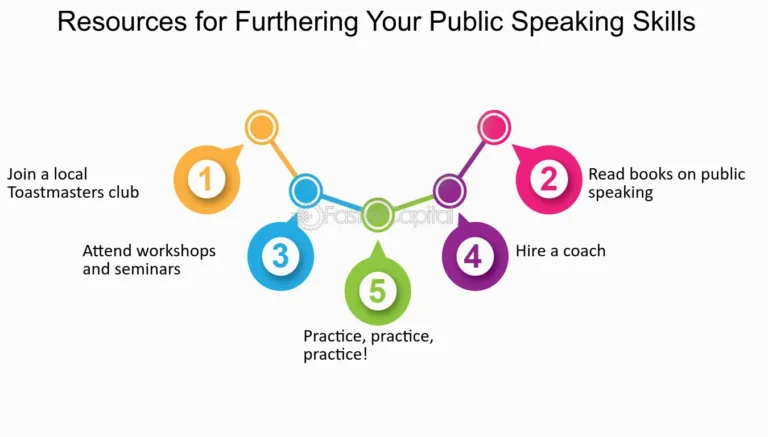
- Join a Public Speaking Group: Joining a group like Toastmasters International can provide you with a supportive environment to practice your public speaking skills and receive feedback from experienced speakers.
- Attend Workshops and Seminars: Attend workshops and seminars on public speaking to learn new techniques and strategies from experts in the field.
- Observe and Learn from Others: Observe experienced speakers and analyze their techniques. Pay attention to their vocal variety, body language, and content.
5. Embrace Authenticity: Be Yourself
The most compelling speakers are those who are authentic and genuine. Don’t try to be someone you’re not. Let your personality shine through and connect with your audience on a personal level.
- Speak from the Heart: Share your passion and enthusiasm for your topic. When you are genuinely interested in what you are saying, your audience will be more engaged.
- Be Vulnerable: Don’t be afraid to share your own experiences and vulnerabilities. This can help you connect with your audience on a deeper level and make your presentation more relatable.
- Be Yourself: Authenticity is key. Don’t try to imitate someone else’s style. Develop your own unique voice and let your personality shine through.
Public speaking is a skill that can be developed and mastered with practice and dedication. By implementing these five powerful strategies, you can transform from a nervous novice to a confident and compelling speaker. Remember, the journey of a thousand miles begins with a single step. Start practicing today, and unleash your inner orator!